
By Fred Fuld III
Earlier this month, a book written by Harry Houdini that included his signature went up for auction at Potter & Potter Auctions, with a starting bid of $3,000 and an estimate of $6,000 to $12,000. After much spirited bidding, the item was hammered at $50,400.
As an investor, you may be looking for an item that is more reasonably priced and connected to stocks and bonds. You could consider a Houdini Picture Corporation stock certificate, handsigned by Harry Houdini, which would probably be priced between $6,000 and $10,000.
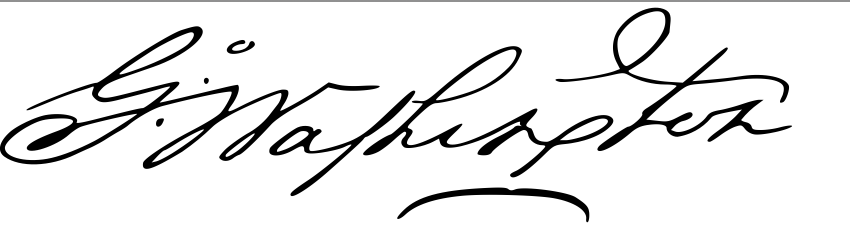
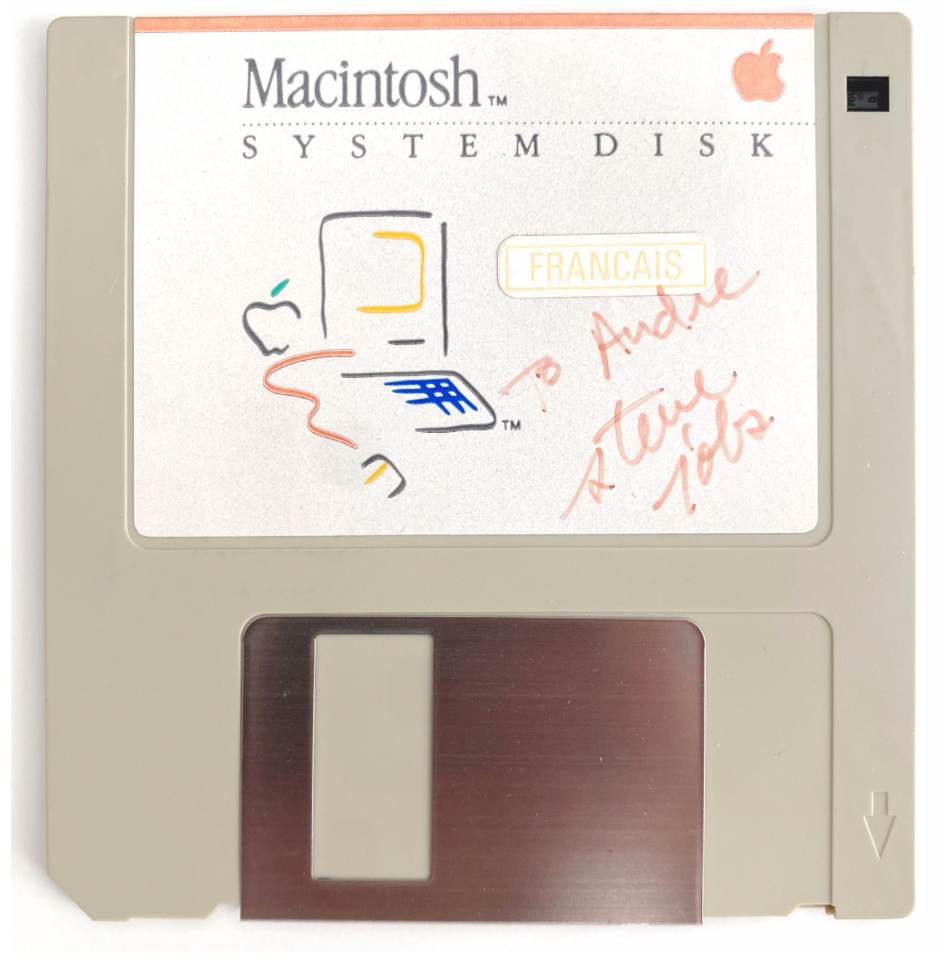
In the world of alternative investments, few assets offer the unique blend of financial potential and tangible history as autographed documents, particularly antique stock certificates and other historical papers bearing the signatures of the famous. Beyond the value of the paper itself, a signature from a titanic figure—be it a President, a titan of industry, or a cultural icon—transforms a simple document into a coveted collectible and a compelling investment.
For the savvy collector, historic documents signed by famous figures, a field known as scripophily when focusing on stock certificates and bonds, are gaining significant attention. But as with any investment, prudence, authentication, and proper care are the pillars of success.
The Financial Lure of a Famous Hand
The value of an autographed document is determined by several key factors: The signer’s fame, the rarity of their signature, the condition of the document, and the historical significance of the item itself.

Antique stock certificates, which once represented shares of ownership in companies, are a prime example. While a certificate from a defunct company may be financially worthless as a security, a signature from an influential founder like J. P. Morgan, on a New Jersey Junction Railroad bond, or Henry Wells and William Fargo, on an American Express stock, can catapult its value into the thousands, or even tens of thousands, of dollars. Even some modern certificates with a noted signature can command around a thousand dollars, such as Jack Tramiel’s signature on an Atari stock.

Key Financial Benefits:
- Appreciation Potential: Signatures of historical and cultural icons, especially those whose output was limited or who died young, exhibit strong long-term appreciation due to finite supply and enduring demand.
- Tangible Asset: Unlike digital assets, a historic document is a physical, hard asset that can be viewed, held, and displayed.
- Historical Context: Signatures on documents that relate directly to the person’s historical legacy (e.g., an Abraham Lincoln-signed military document) command a premium over a simple “cut” signature. The convergence of history and autograph creates exceptional value.
- Diversification: Collectibles offer a degree of portfolio diversification, often performing independently of traditional financial markets.
The Importance of Authentication: Vetting Your Investment
The market for autographs is lucrative, which, unfortunately, makes it a target for counterfeiters. Forging a famous signature is far easier than printing millions of dollars in banknotes. For investors, authenticity is an important factor.
This is where respected Third-Party Authentication, also referred to as TPA, services come into play. Organizations like PSA/DNA (Professional Sports Authenticator) and Beckett Authentication Services (BAS) employ forensic analysis, comparing signatures against extensive databases of known genuine examples.
Why TPA is Essential:
- Establishes Credibility: A TPA certificate of authenticity (COA) provides a court-approved chain of evidence, instilling buyer confidence and eliminating doubt about the item’s legitimacy.
- Enhances Market Value: Items authenticated by major services consistently sell for significantly higher prices than unauthenticated pieces. A TPA COA acts as a verifiable pedigree.
- Protection Against Fraud: The forensic methods used by these services—analyzing ink, paper aging, and signature fluidity—are the best defense against sophisticated forgeries.
If the item is not already authenticated but you want the Certificate of Authenticity, factor the cost of TPA into your investment budget.
Preservation is Protection: The Importance of Safe Storage
An autographed document is a fragile piece of history, vulnerable to its environment. Failure to store it correctly can lead to irreparable damage, fading the ink and degrading the paper, thus destroying its financial value. Preservation is not just care; it is an act of financial protection.
Best Practices for Storing Historic Autographed Documents:
- Climate Control is Key: Store documents in a cool, dry place with stable temperature and humidity (ideally 65–75°F and 35–55% relative humidity). Avoid high-risk areas like basements, attics, and garages, where fluctuations can cause warping, mold, or mildew.
- Go Acid-Free: Paper and acidic storage materials will yellow and become brittle over time. Use only acid-free, archival-quality materials. Store unframed documents in Mylar or other acid-free sleeves and place them inside archival storage containers.
- Light is the Enemy: Ultraviolet (UV) light from the sun and fluorescent bulbs will rapidly fade most inks, especially dye-based and certain other pen inks.
- Displaying: If framing, use only UV-filtering glass or acrylic and acid-free matting. Hang framed pieces away from direct sunlight.
- Storage: Keep stored documents in a dark environment.
- Avoid Destructive Fasteners: Immediately remove metal fasteners like paper clips and staples, as they will rust and stain the paper. Also, never use common adhesive tapes (like clear or masking tape) for repairs, as their adhesives will permanently damage and stain the document.
- Handling: Always handle documents with clean, dry hands. For paper documents, wearing clean cotton or nitrile gloves is a prudent step to prevent the transfer of dirt and natural oils.
By carefully curating a collection, considering reputable third-party authentication, and prioritizing archival-quality storage, investors can ensure that their autographed historic documents not only serve as a direct link to the past but also as a sound financial asset for the future. These collectibles can be a rewarding and financially sound addition to any portfolio.